

Why Visibility Alone Won’t Drive Revenue
Imagine being at a party where someone brags about their massive Instagram following, yet they can barely cover rent. That’s exactly what’s happening to your business. You have plenty of visibility, numbers on charts lighting up like a festive display, but the revenue just isn’t coming in. Let’s be clear visibility without revenue is like shouting into a void.
So why does having all this visibility feel like winning a participation trophy instead of hitting the jackpot? The truth is, visibility by itself is as useful as a screen door on a submarine.
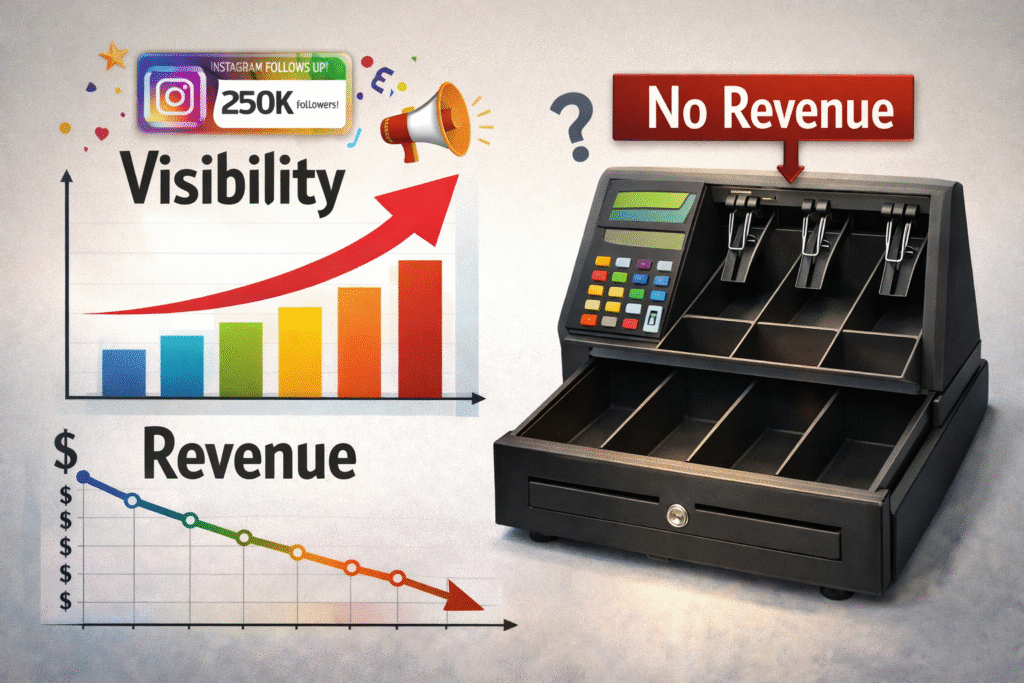
Understanding the Truth: Visibility and Revenue Are Not the Same
Visibility means you are in the game, but you are not scoring goals. You might have abundant data, detailed reports, and colorful charts, yet the missing link is actionable alignment. Your teams need to work together seamlessly, coordinating efforts instead of pulling in different directions.
Here’s a hot insight: most businesses don’t have a revenue problem; they have a sequencing problem. It’s like baking a cake without the sugar. You have all the ingredients, but without mixing them properly and baking at the right temperature, the result is a mess. Data is your ingredients. Your recipe is how teams use that data to convert visibility into revenue.
Why Visibility Isn’t Enough
-
- Data Silos and Misalignment: Marketing boasts about generating leads, sales complain they’re low quality, and the product team wonders why no one is buying new features. Everyone speaks a different language, creating confusion instead of clarity.
-
- Incomplete Problem Definition: Treating symptoms rather than root causes is like applying a band-aid to a leaky dam. Without identifying what is truly blocking revenue growth, you are stuck in a never-ending cycle of quick fixes.
-
- Lack of Conversion Focus: Traffic is great, but what really matters is conversion. Visitors who don’t buy are like guests at a party who never sit at the dinner table.
- Disconnected Product and Sales Insights: Sales efforts are ineffective when disconnected from product knowledge. Product teams know what customers want, but sales may be unaware, resulting in missed opportunities.
Common Reasons Why Visibility Does Not Translate to Revenue
-
- Team Misalignment: Marketing may be generating many leads indiscriminately, while sales focus only on qualified leads, leading to missed revenue opportunities.
-
- Lack of Actionable Insights: Dashboards alone won’t solve problems if no one knows how to act on them. Visibility requires clear actions to be effective.
-
- Poor Customer Journey Management: Driving traffic to your site is just the beginning. Effective call-to-actions and clear pricing are essential to convert visitors into paying customers.
-
- Overemphasis on Quantity Over Quality: Attracting large numbers of uninterested prospects doesn’t help revenue. Targeting your ideal customers is crucial.
- Reactive Instead of Proactive Strategies: Waiting for problems to emerge before responding is detrimental. Leveraging data proactively can predict challenges and avoid revenue loss.
How to Turn Visibility into Revenue
-
- Align Teams on Revenue Goals: Establish shared objectives between marketing and sales using clear KPIs such as Marketing Qualified Leads and Sales Qualified Leads.
-
- Identify Root Causes Before Taking Action: Investigate why prospects disengage and address those issues strategically rather than simply increasing activity.
-
- Optimize the Customer Journey: Design a seamless experience that encourages visitors to proceed from attraction to purchase without friction.
-
- Target the Right Customers: Develop detailed buyer personas to focus resources on prospects most likely to convert.
- Translate Insights into Swift Action: Use dashboards actively, set alerts, hold regular strategy meetings, and adjust quickly to maximize revenue impact.

Real-World Success Story
Consider a B2B SaaS company overwhelmed with webinar attendees but facing stagnant subscription renewals. Marketing acted like a party planner attracting crowds, while sales acted like a bouncer denying entry to most. By refining lead scoring based on actual user engagement, they improved conversion rates by 35 percent. This is a perfect example of turning mere visibility into tangible revenue.
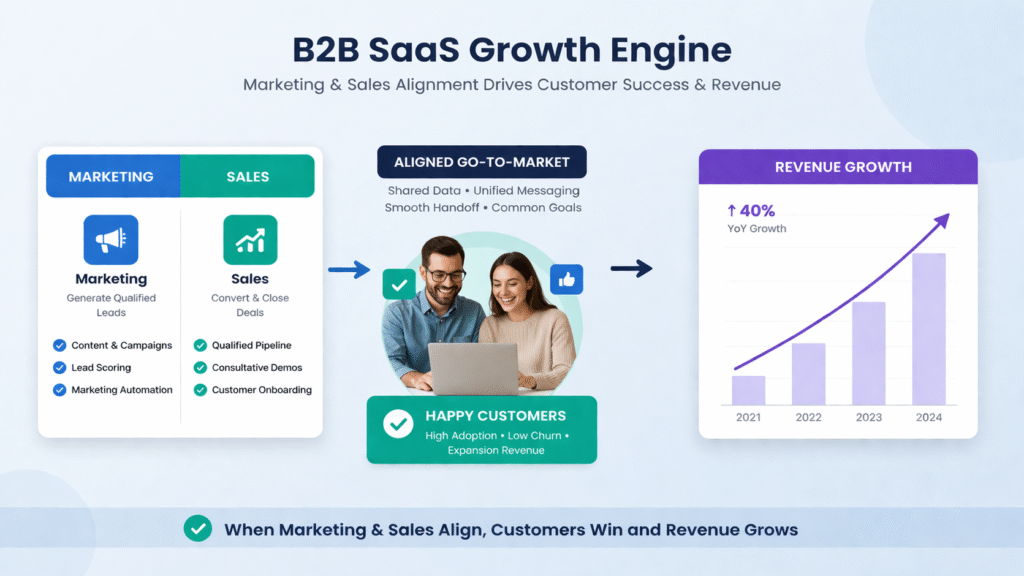
Visibility is important, but never sufficient on its own. Coordinated action, clear understanding, and purposeful data use convert numbers into dollars. Remember this well—your bottom line depends on it.