

Why Your Ads Get Clicks but No Leads
If your ads are getting plenty of clicks but not generating any leads, you are not alone. Many businesses face this frustrating challenge, wondering why their ad spend does not translate into valuable contacts. Let’s explore the common reasons why your ads are not generating leads and how you can fix this issue.
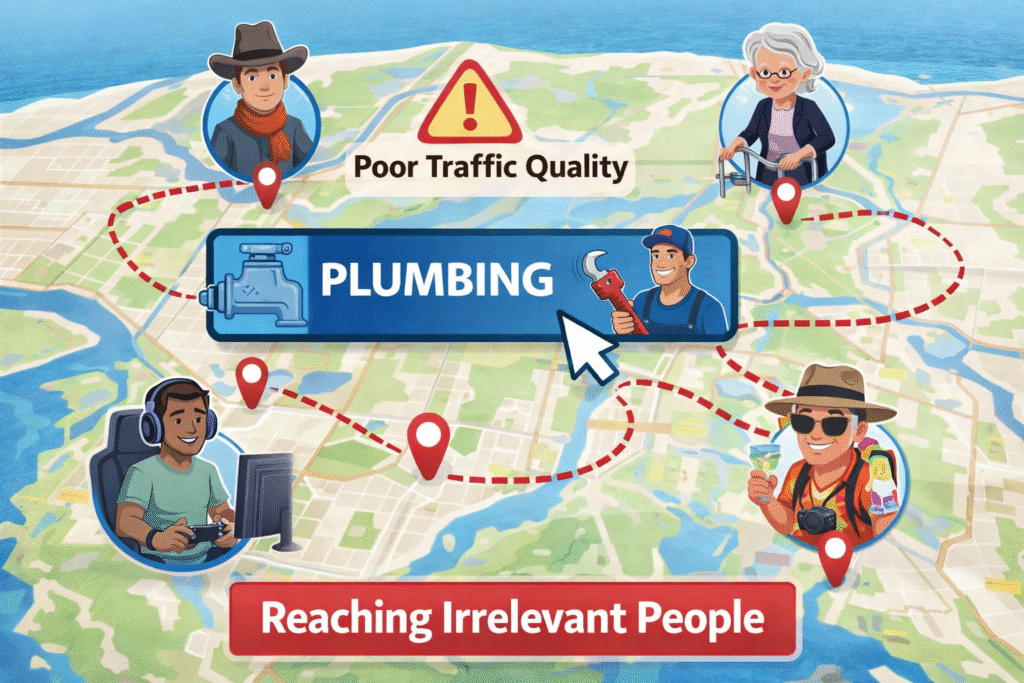
Poor Traffic Quality: Attracting the Wrong Audience
Imagine hosting a party and having the pizza delivered but no guests show up. That’s what happens when your ads attract the wrong audience. Receiving many clicks is good, but if visitors leave your site within seconds, it means your traffic is not the right match. For example, a local plumbing service getting clicks from people far away or uninterested shows poor traffic quality. High bounce rates and short visit durations signal the need to refine your targeting.
Improve this by focusing your keywords on those ready to act, such as “emergency plumber near me.” Use negative keywords to filter out irrelevant searches and geo-target your ads precisely to your service area. Although clicks may decrease, the quality of leads will improve significantly.
Mismatched Offer and Messaging
Ads that fail to connect with your audience hurt your lead generation. Generic phrases like “Professional Plumbing Services” do not inspire action, whereas clear, benefit-driven messages like “Fix Your Overflowing Toilet Today” make a stronger impact. Speak directly to your customers’ needs and pain points using language they relate to. When your ad resonates, potential customers are more likely to engage and convert.
Targeting and Budget Mistakes
Running ads without precise targeting or with insufficient budget is often costly and ineffective. Broad targeting casts a wide net but catches few qualified leads. Likewise, a small budget limits your campaign’s ability to find the right people. Provide enough budget for algorithms to optimize and narrow your audience based on age, interests, and location. Testing different segments helps identify the most responsive leads, maximizing your return on ad spend.
Landing Page and Ad Relevance Problems
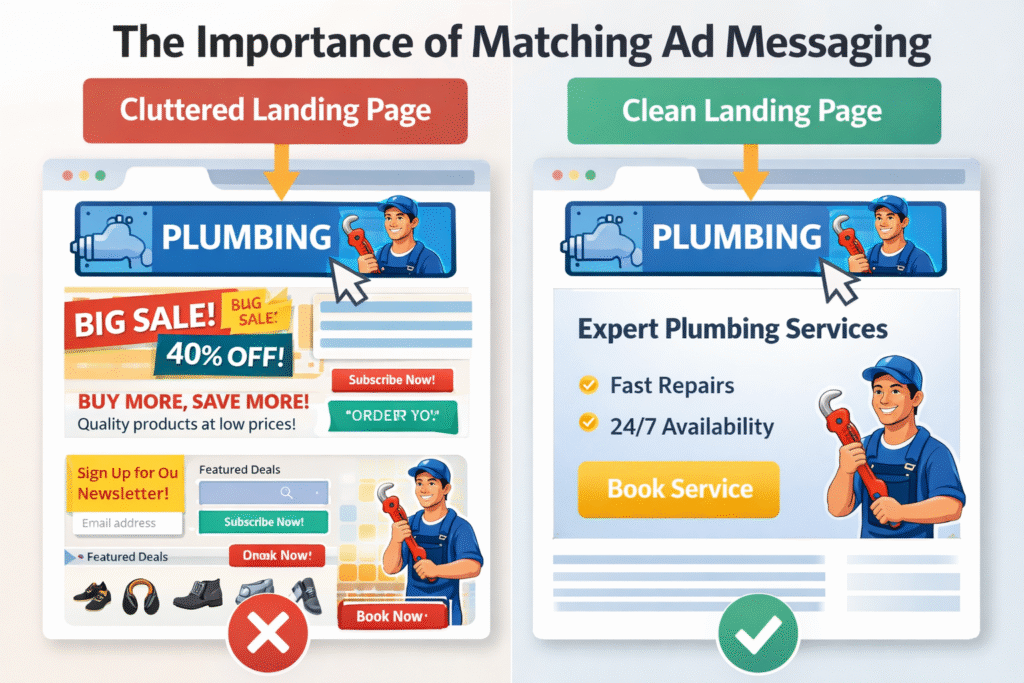
Clicking on an ad and arriving at an irrelevant landing page causes confusion and lost leads. Your landing page must match your ad’s headline, images, and offer perfectly. Ensure your landing page loads quickly and looks great on mobile devices. Simplify forms and eliminate distractions so visitors can easily take the desired action. Consistency between ad and landing page builds trust and improves conversions.
Lack of Follow-Up or Weak Calls-to-Action
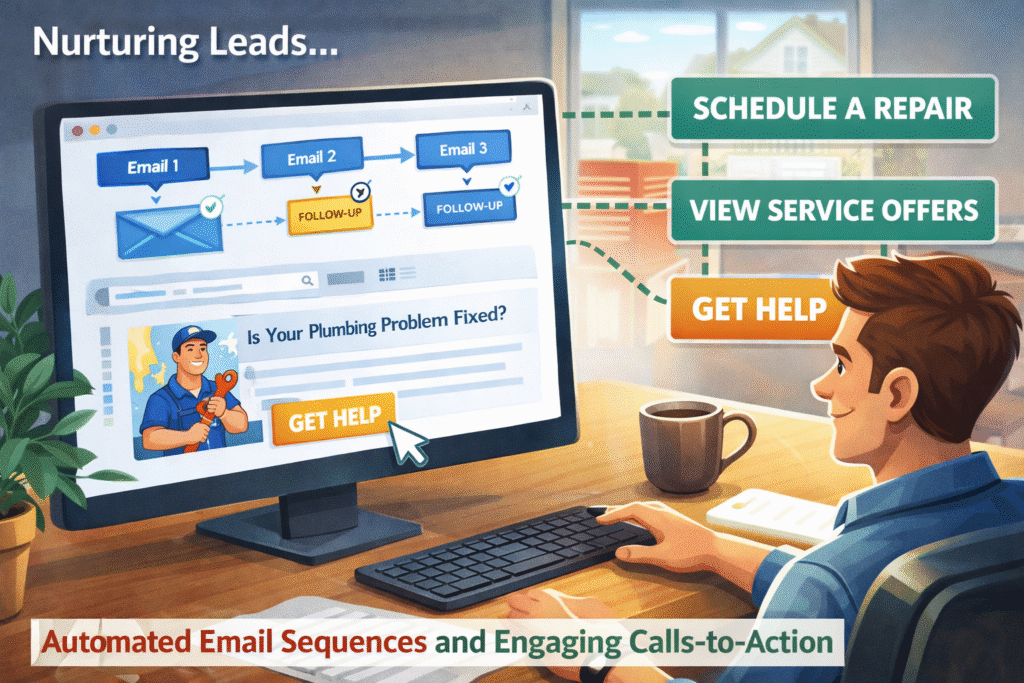
Capturing leads without a timely and compelling follow-up strategy is like scoring a goal and leaving the ball on the field. Leads need nurturing through valuable content and clear calls-to-action that guide them toward making a purchase. Automated email sequences, engaging offers, and regular communication keep your leads warm and increase the likelihood of turning interest into sales.
How to Diagnose and Fix Your Lead Generation Issues
- Analyze your website analytics to identify high bounce rates and low engagement.
- Ensure your ads and landing pages deliver a consistent and compelling message.
- Refine your targeting progressively and test different audiences to enhance quality.
- Implement small changes and measure their impact before scaling.
- Develop and automate an effective follow-up system to maintain lead interest.
Final Thoughts
Generating leads through ads is a skill that improves with focused effort. By targeting the right audience, crafting motivating messaging, aligning your landing pages, and following up effectively, your lead list will grow stronger. These adjustments require thoughtful attention rather than a bigger ad budget.
Now is the time to transform your underperforming ads into powerful lead magnets that deliver real results.